

Author: Fred Anderson Toyota of Greer
When it comes to purchasing a new Toyota at Fred Anderson Toyota of Greer, understanding your financing options is crucial. Whether you’re commuting on I-85 or heading out for a family trip to Apalache Lake, choosing between financing and leasing can impact your local driving experience. Financing may offer long-term ownership benefits and flexibility, perfect for navigating Greer's growing roads, while leasing can provide a more affordable way to enjoy the latest Toyota models. Let’s explore how each option fits into your lifestyle in Greer and the surrounding areas.
Key Takeaways (TL; DR)
- Your Credit Score Matters: A strong credit history significantly influences the interest rates available for loans or leases. Higher scores lead to lower overall costs.
- Flexible Financing Options: Many dealerships provide various financing plans, allowing you to explore terms that fit your budget and needs, particularly beneficial for daily commuters in Greer.
- Leasing vs. Buying: Leasing offers lower monthly payments and flexibility, while financing builds ownership equity over time—important for families considering long-term vehicle use.
- End-of-Lease Choices: At lease-end, you can choose to buy, lease a new Toyota, or return the vehicle—giving you options that adapt to your changing needs.
- Incentives for Savings: Programs for college graduates, military personnel, and loyal customers can reduce costs significantly, making new Toyota models more accessible.
- Preparation is Key: Before applying, gather necessary documents and set a realistic budget to streamline your financing process, especially during peak shopping seasons.
Understanding Automotive Financing for Your Toyota
Automotive financing is the process of borrowing money to purchase a vehicle, which you then pay back in installments over time. For Greer residents, this often means securing a loan through Toyota Financial Services (TFS) or a local bank. The loan amount typically covers the vehicle's price, and you agree to repay it over a specific duration known as the loan term. Choosing to finance your Toyota is a step toward full ownership, allowing you to enjoy your vehicle and customize it as you see fit.
As you make monthly payments, you're building equity in your Toyota, which represents the portion of the vehicle you own outright. Once you’ve completed all payments, you'll receive the title, confirming your ownership. This financing option is beneficial for those planning to keep their Toyota long-term, whether it’s a reliable RAV4 for trips to Lake Robinson or a fuel-efficient Corolla for daily commutes along I-85.
Understanding Toyota Financial Services (TFS)

Toyota Financial Services (TFS) provides a seamless financing experience tailored for Toyota customers. This means whether you're eyeing a new 2026 RAV4 or a 2026 Camry, TFS aims to simplify your purchasing journey right here at our dealership in Greer.
Through TFS, you can easily apply for financing online and receive pre-approval, making your car-buying process more efficient. Keep in mind that offers can vary based on credit, giving you options that align with your financial situation.
What Does It Mean to Lease a Toyota?
Leasing a Toyota is similar to entering a long-term rental agreement. Instead of purchasing the entire vehicle, you pay to use it for a set timeframe, typically between 24 and 36 months. Your monthly payment primarily covers the car's depreciation—this is the difference between its new price and its expected value when the lease ends, known as the residual value. Additionally, you will pay interest, referred to as the money factor, along with any applicable fees.
This leasing structure often results in lower monthly payments compared to financing a purchase. For drivers in Greer, this means you can enjoy the latest models like the RAV4 or Camry with advanced safety features and technology without committing to the full purchase cost.
When leasing, understanding depreciation is essential. It reflects how much value the vehicle loses over time. The residual value is crucial, as it determines how much the car is worth at the end of your lease. A higher residual value generally translates to lower monthly payments. The money factor functions similarly to an interest rate in financing, impacting your overall lease cost. Typical lease terms range from 24 to 36 months, making it a flexible option for those who like to switch vehicles frequently.
What Are My Options When My Toyota Lease Ends?
When your Toyota lease concludes, you have several flexible options to consider that can cater to your needs and preferences.
- Buy Your Leased Toyota: You can purchase your vehicle at the residual value stated in your lease agreement, ensuring you keep a car you already love.
- Lease or Purchase a New Toyota: Return your current vehicle and explore new Toyota models, like the RAV4 or Highlander, to start a fresh lease or purchase.
- Return Your Vehicle: Schedule a return inspection and address any potential excess wear or mileage before handing back your car.
Understanding the Differences Between Financing and Leasing

The main distinction between financing and leasing relates to ownership. Financing typically leads to owning the vehicle after the loan is paid off, while leasing allows you to use the car for a predetermined time without ownership.
| Feature | Financing a Toyota | Leasing a Toyota |
|---|---|---|
| Ownership | Ownership transfers to you after the last payment. | The vehicle remains with the leasing company. |
| Monthly Payments | Generally higher since you're paying for the full value. | Lower payments as you're covering expected depreciation. |
| Upfront Costs | A down payment is often suggested. | Initial payment plus potential acquisition fees are common. |
| Customization | You're free to modify the vehicle. | Must return the vehicle in its original condition. |
| Mileage | No restrictions on mileage. | Annual mileage limits apply with fees for exceeding them. |
| Wear & Tear | Excess wear can affect resale value. | Fees may be charged for any excessive wear. |
| End of Term | You can keep, sell, or trade the vehicle. | You have the option to return, buy out, or lease a new vehicle. |
What Factors Determine My Financing or Lease Terms?
Understanding the factors that shape your financing or lease terms is essential for making informed decisions, especially for drivers in Greer looking to purchase a reliable Toyota.
- Credit Score: A higher credit score can lead to lower interest rates, making your monthly payments more manageable.
- Down Payment: A larger down payment decreases your loan amount, which can lower both your monthly payments and overall interest.
- Term Length: Opting for a longer loan term can reduce monthly payments, but it may result in paying more interest over time.
- Vehicle Price/Type: The price and type of vehicle, such as a new Toyota RAV4 or a hybrid model, can influence special financing offers and promotions.
- Debt-to-Income Ratio (DTI): Lenders evaluate your DTI to assess your ability to manage new debt alongside your existing obligations.
Are There Unique Toyota Programs I Can Qualify For?
Toyota provides a range of special programs designed to offer financial benefits and incentives for eligible customers.
- Toyota College Graduate Program: Offers financial assistance for recent graduates who can provide proof of graduation and employment.
- Toyota Military Appreciation Offer: Special incentives for active-duty military members, veterans, and their families.
- Loyalty Benefits: Discounts for current Toyota owners looking to purchase or lease a new vehicle.
- Regional Promotions: Local dealership-specific offers that may vary and change regularly.
How to Apply for Toyota Financing or a Lease

Starting your financing application online is a simple process.
- Get Pre-Qualified: Discover potential financing terms.
- Gather Documents: Have your necessary documents ready.
- Complete Application: Submit your full application.
- Review & Sign: Confirm your terms before finalizing.
Is It Better to Pay Cash or Finance a Car?
Paying cash for a vehicle like the Toyota RAV4 means you gain immediate ownership without incurring interest, which can be particularly appealing in a fast-growing city like Greer. However, it may deplete your savings, leaving you with less flexibility for unexpected expenses or opportunities.
On the other hand, financing your Toyota allows you to keep more cash on hand while spreading out the payments over time. This approach can be beneficial for managing budgets. Ultimately, the decision hinges on your financial situation and comfort with monthly payments.
What Are the Pros and Cons of Each Payment Method?
Explore the advantages and disadvantages of financing versus leasing, tailored to your driving needs and how long you plan to keep your vehicle.
Pros of Financing a Toyota
- You Own It: After your last payment, you have the freedom to keep, sell, or trade your vehicle.
- No Mileage Penalties: Drive as much as you want without worrying about overage fees, which is ideal for frequent commutes on I-85.
- Freedom to Personalize: Make modifications or add accessories to suit your lifestyle, whether it's for family trips to nearby Apalache Lake or Lake Robinson.
- Build Equity: Your payments contribute to ownership, increasing your stake in the vehicle over time.
Cons of Financing a Toyota
- Higher Monthly Payments: Typically, monthly payments are more substantial than leasing options.
- Maintenance After Warranty: Once the warranty expires, you'll be responsible for repair costs, which can add up.
- Depreciation: The vehicle's resale value will decline over time, affecting your potential return if you sell.
Pros of Leasing a Toyota
- Lower Monthly Payments: Leasing often means lower payments compared to financing, allowing you to drive a newer model like the RAV4 Hybrid.
- Newer Vehicles More Often: Enjoy access to the latest models and features every few years, perfect for those who value innovation.
- Fewer Repair Costs: Many leases last within warranty periods, minimizing unexpected repair expenses.
- Easy Turn-In: At the end of the lease, simply return the vehicle without the hassle of selling it, making transitions smoother.
Cons of Leasing a Toyota
- No Ownership: Equity does not accrue, meaning you won't own the vehicle after payments.
- Mileage Limits: Leases typically come with mileage restrictions, which can lead to additional charges if exceeded—especially for long daily commutes.
- Wear and Tear Fees: Charges may apply if the vehicle shows signs of excessive wear beyond normal use.
- No Customization: Vehicles must be returned in their original condition, limiting personalization options.
What Are Some Tips for Securing the Best Deal?

Preparing wisely and timing your purchase can significantly lower your overall cost.
- Check Your Credit First: Correct any inaccuracies before applying for financing.
- Shop Around for Rates: Obtain quotes from various lenders, including local banks and credit unions, as well as the dealership.
- Choose the Right Time: Look for deals at the end of the month, quarter, or model year when incentives are often higher.
- Negotiate the Vehicle Price First: Focus on getting the best price before discussing financing or leasing options.
- Know the Important Numbers: For leases, understand terms like cap cost, residual value, and money factor. For loans, be clear on APR, loan term, and total financed amount.
Frequently Asked Questions (FAQs)
What credit score do I need for Toyota financing?
While lenders consider various profiles, having a higher credit score typically opens the door to better financing offers. A solid income and a reasonable down payment can also enhance your chances of approval.
Is it hard to get approved by Toyota’s captive lender?
Approval depends on individual profiles; generally, top-tier rates are more selective. Having a steady income, manageable debt-to-income ratio, and a clean credit history can significantly improve your approval odds.
Does Toyota ever offer 0% financing?
Occasionally, Toyota provides 0% financing on select new models for well-qualified buyers, particularly during special promotional events.
Can I negotiate the price on a lease?
Yes, the vehicle's sale price, known as the capitalized cost, is negotiable and this can directly impact your monthly lease payments.
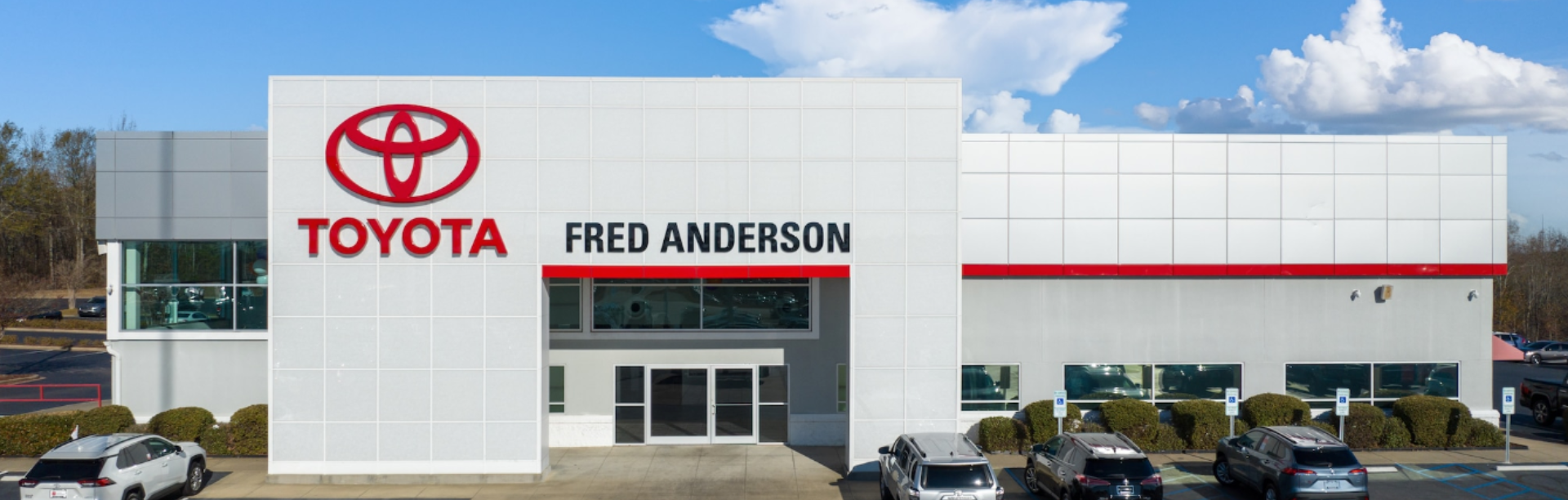
About Fred Anderson Toyota of Greer
At Fred Anderson Toyota of Greer, we are proud to serve the Upstate South Carolina communities of Greer, Greenville, and Spartanburg as a premier member of the Anderson Automotive Group, a family-owned legacy since 1955. Our dealership is built upon a foundation of technical mastery and industry leadership, continuing the "Customer First" philosophy that has defined our parent group for 70 years. We demonstrate our deep-rooted expertise and community dedication through our signature "Drive for a Difference" campaign, where we contribute $5,000 monthly to vital local organizations like Greer Relief and the Forrester Center for Behavioral Health. Our authority in the automotive space is further cemented by our unique Fred Anderson Family Plan, which provides our customers with peace of mind through lifetime oil changes and specialized service. When you visit our state-of-the-art facility, you are supported by a team of factory-trained experts committed to transparency, technical precision, and maintaining the high standards of the prestigious Toyota President is Award.
Related Articles:
The Ultimate Guide to Finding the Best Toyota Dealer in Greer, SC
Categories:
Finance